About the Founder
THE PROBLEM
Some years ago, I found myself in a situation most language learners would recognize — except the stakes were unusually high.
I had just been placed in charge of a vast sales territory covering Central and South America. The problem: I needed to sell, negotiate, and build relationships in Spanish and Portuguese. Not someday. Now.
I was also living as an immigrant in a country where I didn’t speak the language. I asked everyone I could find for advice. Teachers, colleagues, locals. The answer was always some version of the same thing:
“Just practice.”
It wasn’t enough. I floundered for the better part of a year — studying, practicing, making limited progress — while the professional pressure mounted. Nobody had a real solution. So I started looking for one myself.
THE BREAKTHROUGH
My background shaped how I looked for it. I’d spent years as an engineer. When something isn’t working, you don’t accept it as mystery. You figure out why, and you fix it. I started approaching fluency the same way. Not as a talent some people have and others don’t, but as a problem with specific causes and specific solutions.
Eventually, something clicked. What had felt mysterious began to reveal its logic — and as it did, the outlines of a system emerged. The results were dramatic. Within months I was not only functional but genuinely fluent. My pronunciation improved so dramatically that I was often mistaken for a local.
WHAT I FOUND
That experience changed everything about how I understood language learning.
What I had discovered — and what I’ve spent the last six years refining — is that fluency isn’t a knowledge problem. Most intermediate speakers already know enough English to be fluent. What they lack is something different: the trained ability to access that knowledge automatically, in real time, under the pressure of a live conversation.
That gap — between knowing a language and being able to speak it fluidly — is the problem Fluency Stack was built to close.
Since then I’ve worked with more than 2,000 students across individual coaching, group programs, corporate training, and university-level instruction. Students from dozens of countries. Professionals, executives, academics, and everyday speakers who simply want to stop hesitating and start communicating the way they know they can.
The most common question I hear, in every context, at every level, is always the same:
“How do I become fluent?”
Fluency Stack is my answer.
WHAT MAKES THIS DIFFERENT
Most fluency programs are really knowledge programs in disguise — more vocabulary, more grammar, more input. They treat fluency as the natural byproduct of enough study. It isn’t.
Fluency is a set of trainable skills. Specific ones. And like any skill, they respond to the right kind of deliberate, targeted practice — not general exposure, not passive immersion, not more classes.
The Fluency Stack Method trains those skills directly: the ability to respond quickly without translating, to keep speech moving without freezing, to navigate real conversations using language patterns that fire automatically in response to specific situations.
What sets this work apart, beyond the methodology itself, is the diagnostic and intervention system at its core. Before training begins, every student receives an individualized analysis of their specific fluency blocks. Not a general assessment, but a precise picture of where and why their speech breaks down. That analysis shapes every element of the training that follows.
This is a first-of-its-kind training system — one that finally provides a real answer to the question I heard everywhere I taught: “How do I become fluent?” Not a philosophy. Not a program built on hope. A method with a defined path, a diagnostic foundation, and results you can measure from the very first session.
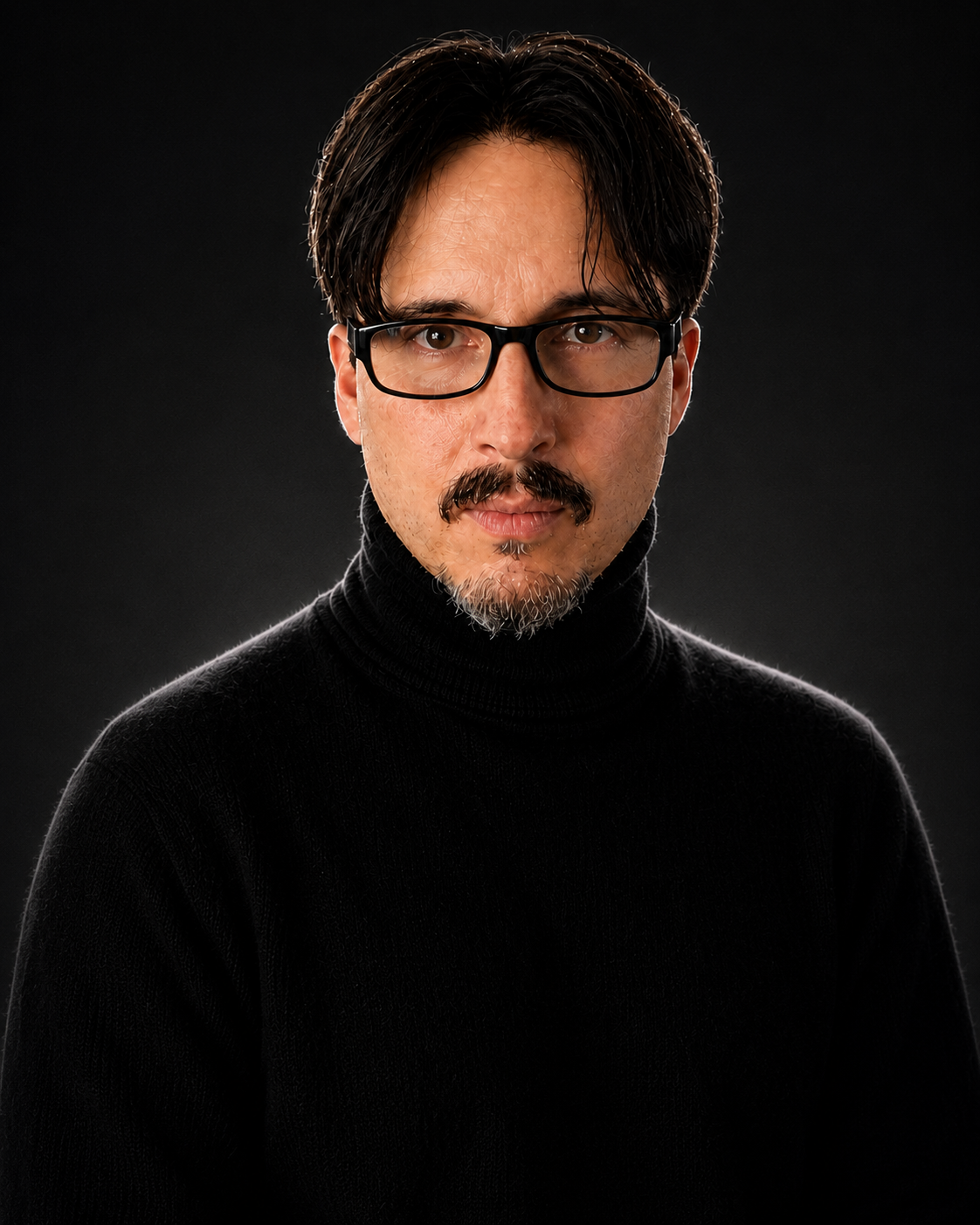
Rob Hoskins
Founder, Fluency Stack
rob@fluencystack.com
Where to begin?
The Fluency Stack Diagnostic is the best place to start – a live 30-minute session, one-on-one, where I find exactly where your fluency breaks down and why. You’ll leave knowing what’s actually happening when you speak.
If you’re wondering whether the program is right for you, the Diagnostic will answer that better than I could in an email. You can also watch my videos on YouTube to get a feel for how I work. And if you have a question, you can reach out directly. I’m happy to talk.
Curious about the program?
Live 1:1 session · 30 minutes · $47